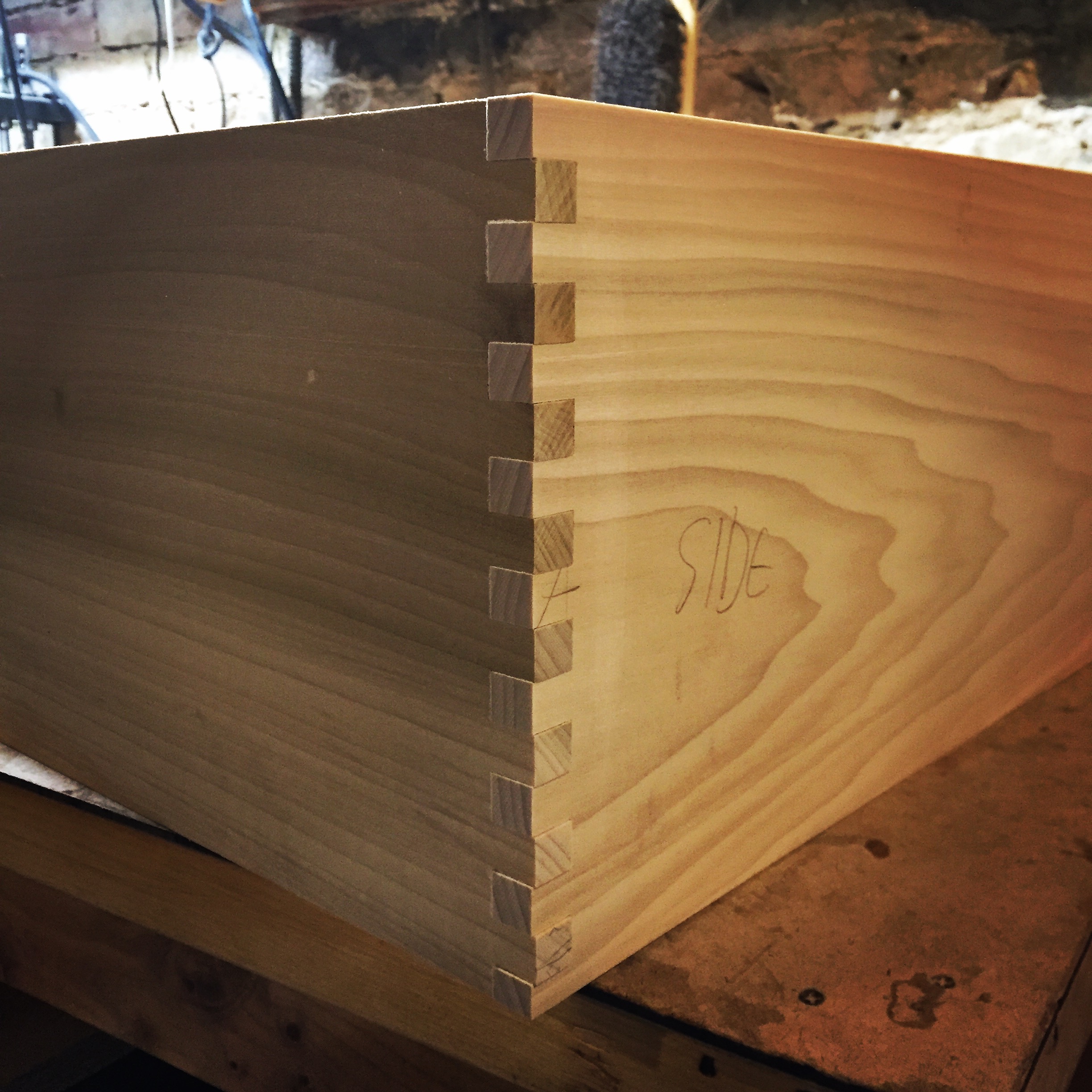
Traditional Canadian Joinery Techniques
An overview of the dovetail, mortise-and-tenon, and box joint methods used in furniture construction across Canadian workshops, from early settler craft to contemporary practice.
Read article →A reference covering joinery methods, timber species, hand tool techniques and furniture construction rooted in Canadian woodworking practice.
Latest Articles
Practical coverage of joinery, timber selection and the tools used across Canadian workshops.
An overview of the dovetail, mortise-and-tenon, and box joint methods used in furniture construction across Canadian workshops, from early settler craft to contemporary practice.
Read article →
How to evaluate and choose from Canadian hardwoods and softwoods — sugar maple, black walnut, white ash, western red cedar — based on grain, moisture content and intended use.
Read article →
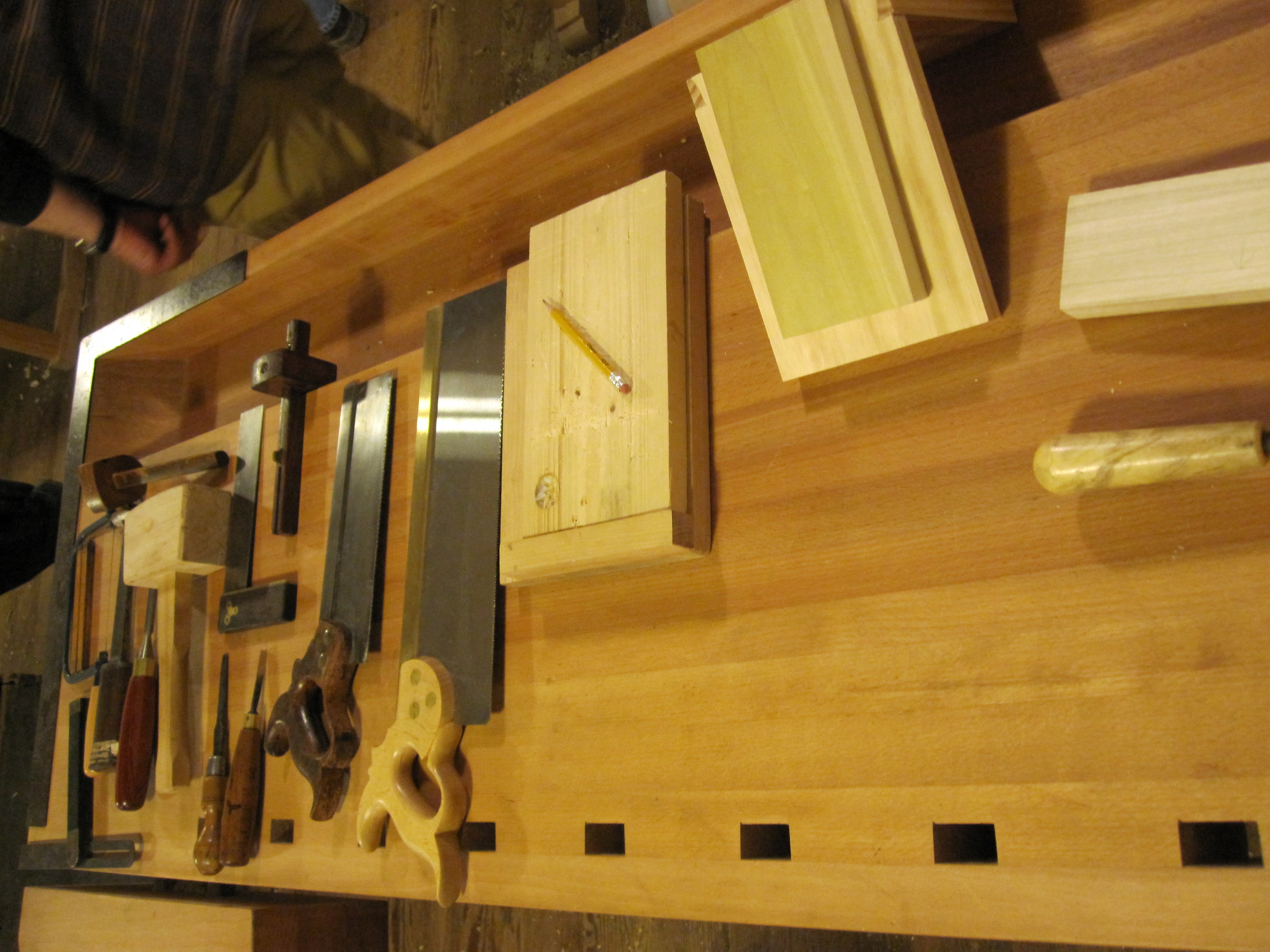
A comparison of hand-tool and power-tool approaches for common woodworking tasks — examining control, noise, workspace requirements and the types of projects where each excels.
Read article →
Workshop Practice
Canada's forests provide a range of hardwoods and softwoods suited to furniture and cabinetry. Sugar maple, found across Ontario and Quebec, is dense enough for tabletops and chairs that take daily use. Black walnut, sourced from southern Ontario, produces straight-grained lumber valued for its natural colour and workability.
Selecting the right species before cutting begins determines how a piece ages, how it responds to finish, and whether joints will hold over decades of seasonal movement.
Topics Covered
This site covers the core disciplines of Canadian woodworking — from raw material to finished furniture.
Dovetail, mortise-and-tenon, box joint, bridle joint — the mechanical connections that hold furniture together without relying on adhesive alone.
Identifying and evaluating Canadian hardwoods and softwoods by grain pattern, density, shrinkage rate and suitability for specific furniture components.
Choosing between hand tools and power tools based on the task, available workspace and the level of surface control each approach provides.
Planing, scraping and sanding sequences that prepare raw lumber for finishing — and how grain direction affects the result at each stage.
How seasonal moisture changes cause wood to expand and contract, and how furniture construction accounts for this movement across the grain.
Workbench height, tool storage, dust collection and lighting considerations for small and medium workshop spaces in Canadian climates.
Contact
If you have a question about the content on this site, a correction to suggest, or information about a Canadian woodworking resource worth referencing, use the form to reach us.